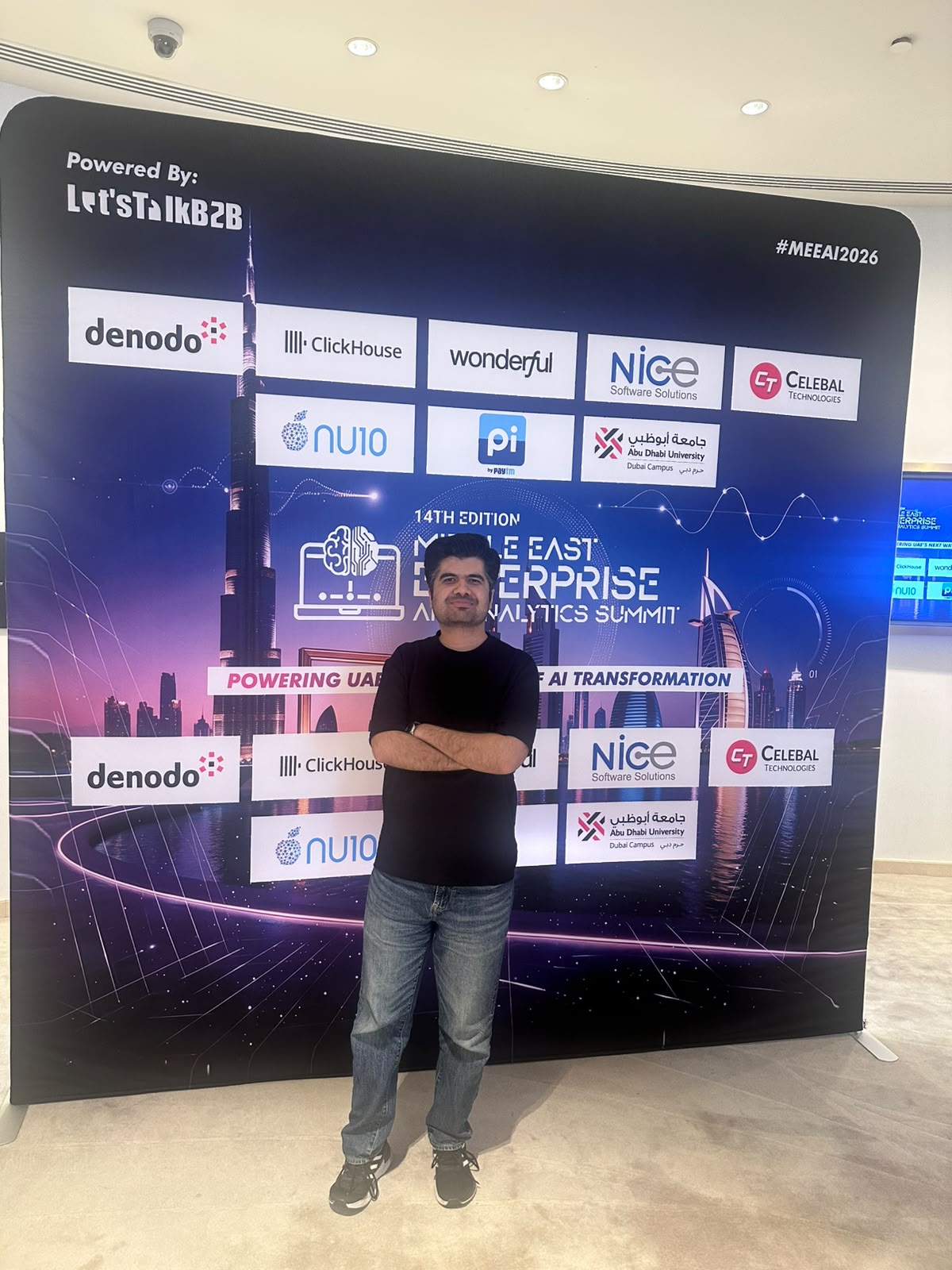
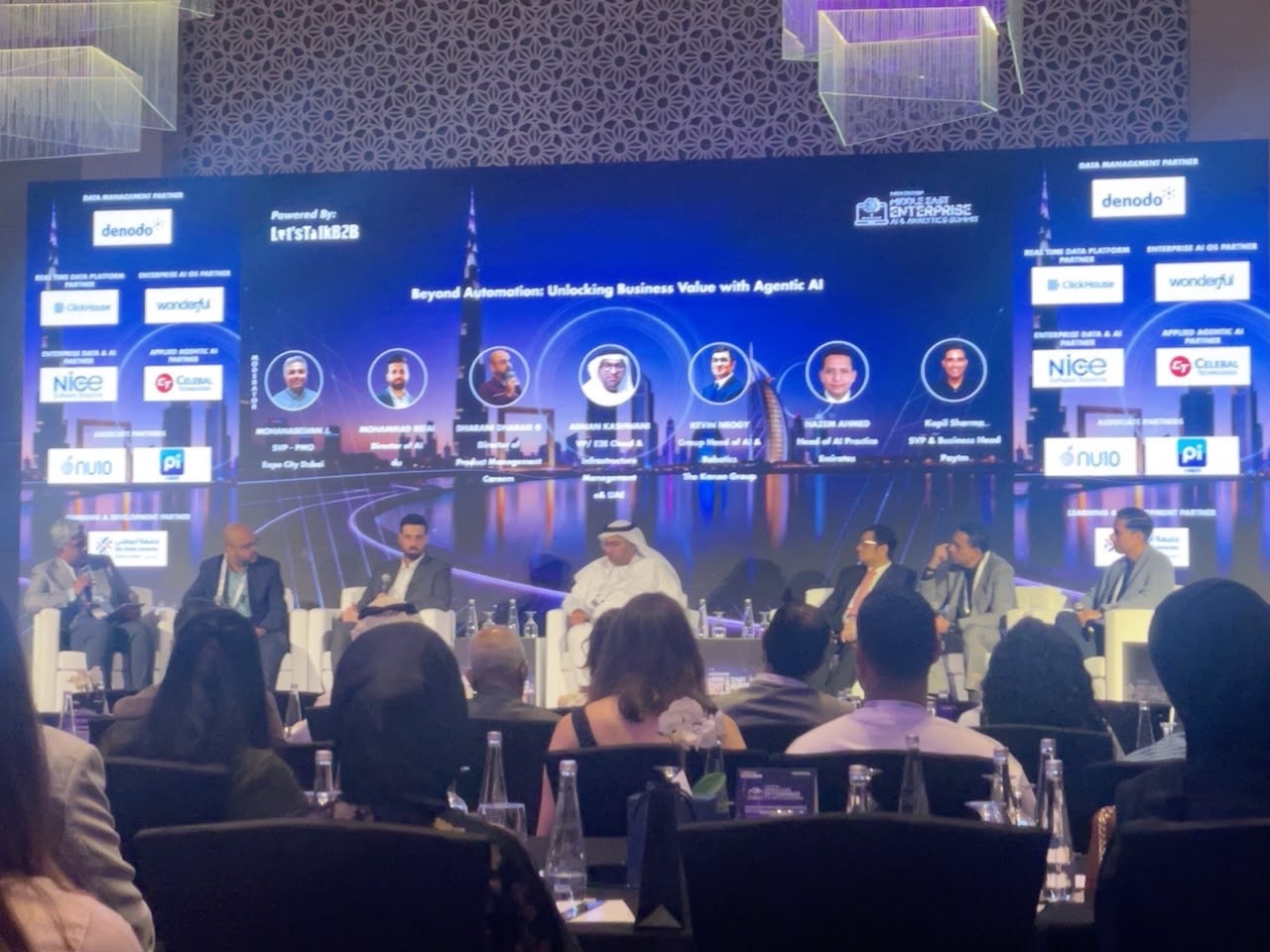
At the 14th Middle East Enterprise AI and Analytics Summit in Dubai, the conversation felt different. It was no longer just about chatbots, copilots or automating a few repetitive tasks. Leaders were talking about agents that can use business systems, coordinate work and make decisions.
I left with a simple thought. Building more capable agents may not be the hardest part. Deciding how much we trust them will be.
Trust Grows in Stages
One panel compared today’s agents with the early years of business automation. Companies did not switch on critical systems and immediately remove people. Teams watched the output, corrected mistakes and built confidence over time.
Agents will probably follow a similar path. At first, a person checks the work before anything happens. Once the system proves itself, the person can move from approval to monitoring. Only stable, low risk tasks should earn greater independence.
This makes the usual question about replacing people less useful. The better question is which decisions we are comfortable delegating, under what conditions, and who remains responsible.
Risk Should Decide Autonomy
The clearest framework I heard used two ideas: blast radius and reversibility. Blast radius asks how much damage a mistake could cause. Reversibility asks how easily that mistake can be undone.
Lower risk
Summarise internal documents
Limited impact and easy correction can support more autonomy.
Higher risk
Approve payments or change infrastructure
Wider impact and difficult recovery call for strict controls and human approval.
This is a more practical way to assess an agent than asking whether the model is intelligent. The same technology can be safe in one workflow and unacceptable in another.
Agents May Reshape How Work Moves
Personal agents can organise an executive’s email, calendar and messages. Departmental agents can answer questions about HR policies or help teams follow brand guidelines. The bigger opportunity may be work that crosses departmental boundaries.
A customer complaint, for example, can require customer service, finance, operations and logistics. Much of the delay comes from people moving information between these groups. A secure agent could coordinate the routine parts while the right people handle exceptions and judgment.
The builder era
AI is also making roles less rigid. Product managers can prototype, designers can explore data, and engineers can draft documentation. The important skill is becoming the ability to understand a problem, work across disciplines, use AI well and own the result.
The same logic applies to the build or buy decision. Companies can buy foundation models, infrastructure and common tools. They should invest their own effort in the workflows, knowledge, integrations and customer experience that make the business different.
Governance Should Create Speed
Governance is often treated as a set of gates. A better version gives teams clear answers before a project starts. They know who owns the data, where it came from, who may access it, which controls apply and what evidence must be kept.
That kind of governance removes repeated debate. It gives teams a safe path to move faster.
This sequence was one of my biggest takeaways. Starting with an AI solution can automate a weak process without improving the result. Starting with the outcome forces the technology to earn its place.
People Remain Accountable
An aviation example made the boundary clear. An engineer may need to search thousands of pages of approved maintenance documents. AI can find the relevant material quickly, but the authorised engineer still makes the regulated decision.
This principle matters in aviation, healthcare, banking, government and critical infrastructure. Capability alone does not create enterprise value. Trust, governance and accountability turn capability into something an organisation can use responsibly.
Before deploying an agent, I would ask what problem it solves, what it can access, what actions it can take, how far a failure can spread, whether the action can be reversed, and when a person must intervene.
That was my main lesson from the summit. The next phase of AI is not just about smarter models. It is about making deliberate choices on responsibility.